Agate Crystals, Jewellery and Polished Stones

Agate Crystals, Jewellery and Polished Stones

Natural patterns, colours and one-of-a-kind details

Agate is known for its remarkable variety. Depending on the type, it can feature delicate bands, moss-like inclusions, flower-shaped patterns or layers of contrasting colour. These natural details make every agate unique.

In crystal traditions, agate is associated with balance, stability and grounding. Its many colours and forms make it easy to choose an agate for your home, jewellery collection or everyday use.

  • Choose a polished stone to carry with you
  • Add a larger agate to your home or workspace
  • Wear agate jewellery with distinctive natural patterns
  • Explore different agate varieties by colour and appearance

Learn more about the meaning of agate or explore agate in our crystal guide.

🤍 Explore the agate collection

luonnollisia akaattilevyjä tasapainoon ja maadoitukseen

13 products

Discover the colours and patterns of agate

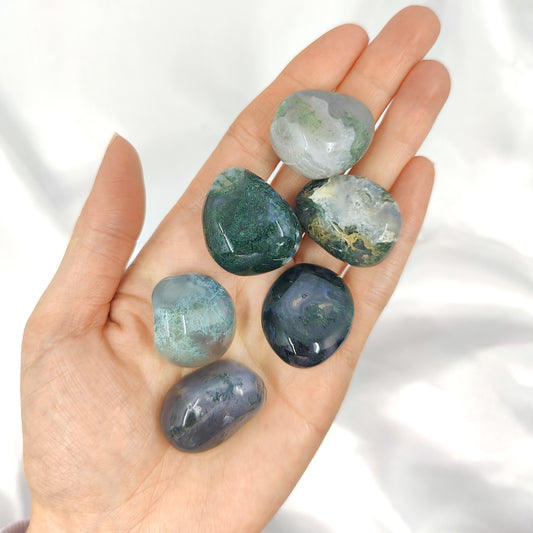
Agate is not limited to one colour or appearance. The name covers a wide group of stones with distinctive bands, inclusions and natural patterns. Some varieties are pale and delicate, while others feature earthy browns, forest-like greens or layers of blue and white.

This variety makes agate especially interesting to collect. You can choose a piece by its appearance, intended use or the traditional meaning associated with a particular variety.

What makes agate unique?

Agate is a form of chalcedony, which belongs to the quartz family. It develops as very fine layers of quartz form over time, often creating bands, colour changes and intricate internal patterns.

No two pieces have exactly the same markings. Even stones cut from the same formation can look different once polished. Lines, cloudy areas, small cavities and differences in colour are natural characteristics rather than flaws.

Agate may be sold as raw pieces, slices, polished stones, carved shapes, decorative objects and jewellery. Polishing often reveals patterns that are less visible on the natural outer surface.

Popular varieties of agate

Different agate varieties offer their own colours, patterns and visual character.

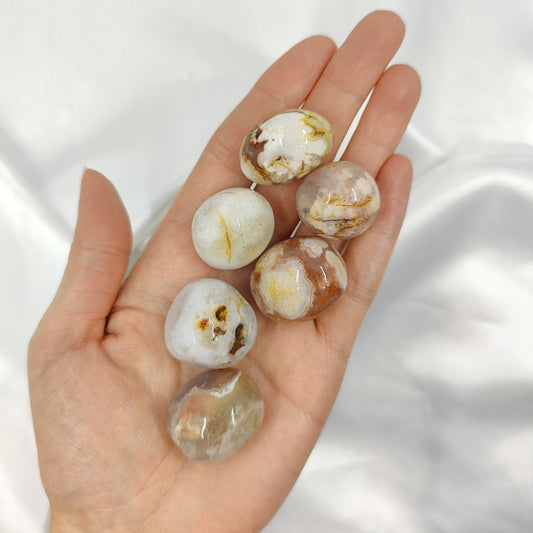
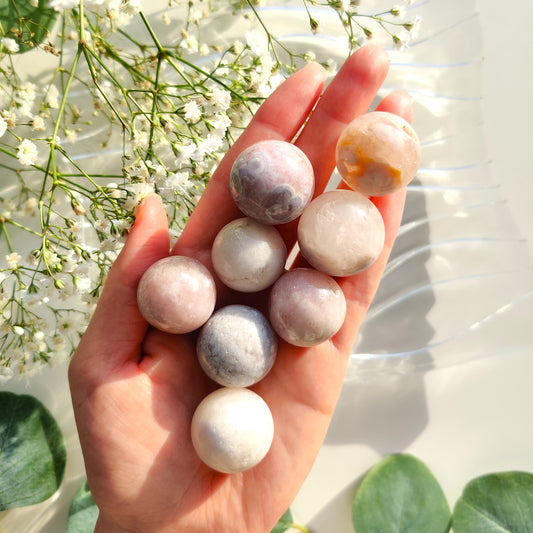
Flower agate contains pale formations that resemble small blossoms. It is traditionally associated with growth, new beginnings and the gradual development of personal goals.

Moss agate is known for green, moss-like inclusions that create miniature landscape patterns inside the stone. Its appearance has made it a popular choice for people who feel connected to forests, gardens and nature.

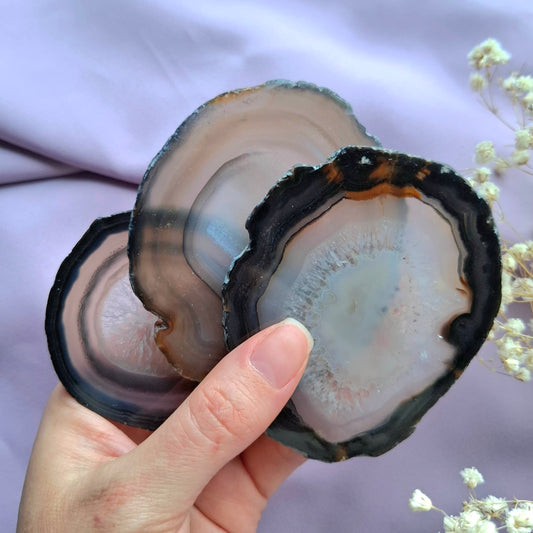
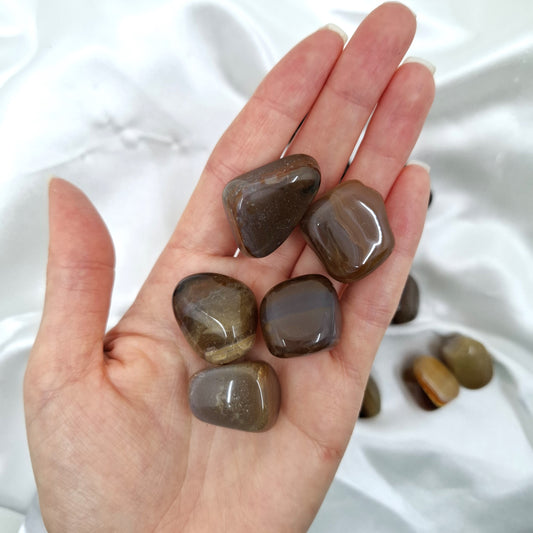
Brown agate features warm, earthy colours and natural bands. In crystal traditions, it is associated with grounding, stability and a sense of security.

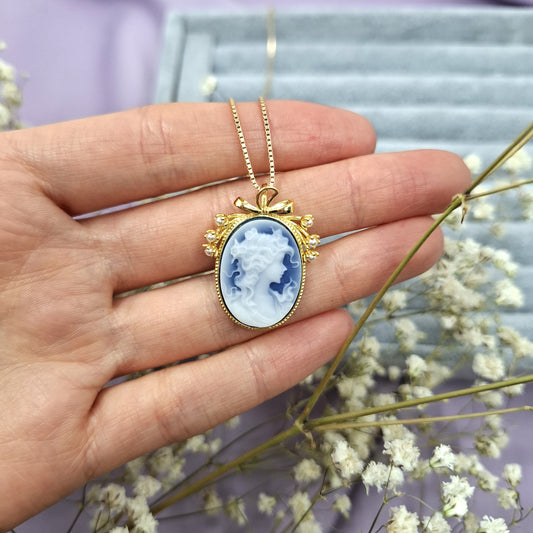
Blue lace agate is recognised by its pale blue and white banding. It is traditionally connected with calm communication, thoughtful expression and a peaceful atmosphere.

Because the varieties look so different, it is worth exploring several before choosing. You may be drawn to a particular colour, pattern or type of formation.

Choosing the right agate

A small polished agate is an easy option when you want a stone that fits into a pocket, pouch or bag. The smooth surface also makes the patterns and colours easier to see.

Larger polished pieces, slices and decorative shapes work well on shelves, desks and bedside tables. Their detailed patterns make them interesting objects to view from different angles.

Agate jewellery allows the natural markings of the stone to become part of your everyday style. Since every cut has a different pattern, each pendant, bracelet or pair of earrings has an individual appearance.

When choosing your agate, consider:

  • the colours that suit your home or personal style
  • whether you prefer natural or polished surfaces
  • whether the stone will be displayed, carried or worn
  • which agate pattern catches your attention
  • the traditional symbolism of the variety

Agate in the home

Agate can add colour and natural detail to many spaces. A larger polished stone or slice can become a focal point, while a smaller piece fits easily into an existing crystal or mineral display.

Popular places for agate include:

  • a living-room shelf
  • a desk or workspace
  • a bedside table
  • an entrance table
  • a collection of minerals and crystals

In crystal traditions, agate is associated with stability and balance. Some people place it in busy shared spaces, while others prefer to keep it in a quiet personal area. It can also be enjoyed simply for its colour, structure and geological features.

The traditional meaning of agate

Agate has been used as a decorative and symbolic stone for thousands of years. In modern crystal traditions, it is often connected with grounding, emotional balance and a steady approach to everyday situations.

The meaning can vary between different types of agate. Earth-toned varieties are commonly associated with stability, while blue lace agate is connected with communication and flower agate with growth.

These meanings are based on crystal traditions and personal practices. Agates can also be chosen purely as beautiful minerals without attaching a particular intention to them.

Read more in our guide to the meaning of agate.

Crystals that pair well with agate

Agate pairs naturally with other stones associated with grounding, calm and balance.

Hematite introduces a metallic appearance and is traditionally associated with stability and grounding. Smoky quartz adds transparent brown and grey tones and is commonly connected with protection and balance. Howlite creates a lighter contrast and is traditionally associated with patience and a calmer atmosphere.

You can also explore our collections of crystals for stressful moments, crystals for sleep and evening routines and crystals for protection.

Is agate suitable for beginners?

Agate is an approachable choice for a first crystal because there are many affordable sizes, colours and forms available. A small polished stone is easy to begin with, while a larger decorative piece allows you to enjoy more of the stone’s natural pattern.

You do not need to choose according to symbolism. Selecting the colour or pattern you like most is an equally good way to find your first agate.

For more guidance, read our crystals for beginners guide.

Agate durability and care

Agate usually measures approximately 6.5–7 on the Mohs hardness scale. It is durable enough for jewellery, polished stones and decorative objects, although it should still be protected from hard impacts.

Clean agate gently with a soft cloth and lukewarm water. Avoid harsh chemicals and sudden temperature changes, particularly with thin slices or pieces containing natural cavities.

Some commercially available agates are dyed to create especially bright or unusual colours. Natural and colour-enhanced stones can both be decorative, but any treatments should be stated in the product information when known.

Learn more about agate

Explore the agate collection and discover the colours, patterns and agate varieties that appeal to you.