Choosing crystals for children safely
Crystals can introduce children to colours, patterns, geology and collecting. They can also make attractive keepsakes or room decorations when an adult chooses an appropriate piece and decides where it can be handled or displayed safely.
Crystals are not toys unless the individual product is specifically designed, tested and labelled as one. Product dimensions, mineral composition and the child’s age should always be considered before purchase.
What can a crystal mean to a child?
A child may choose a crystal because of its colour, shape or interesting mineral features. An adult can also present it as a symbol connected with a personal quality such as kindness, curiosity or persistence.
The value comes from the story and shared activity—not from a guaranteed effect produced by the crystal.
For example:
- amethyst can represent making time for a quiet evening routine
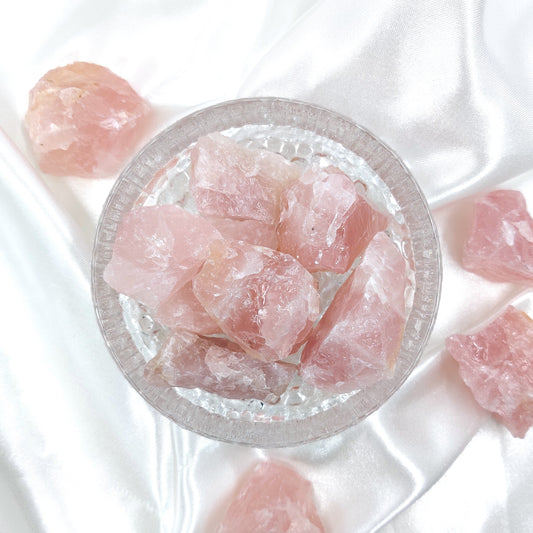
- rose quartz can represent kindness towards family and friends
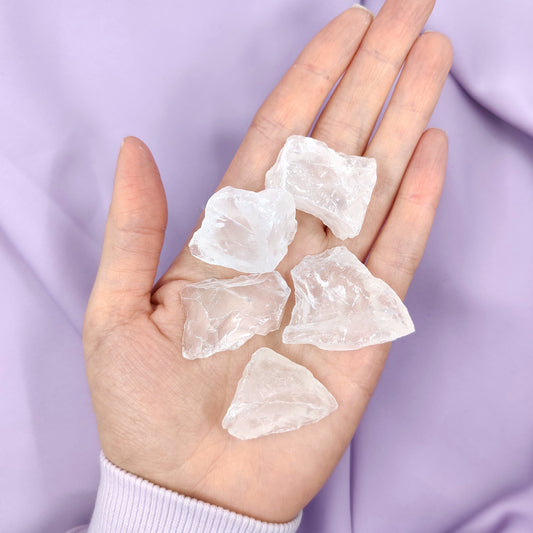
- clear quartz can introduce children to transparency and crystal formation
- blue lace agate can represent taking turns while talking
- a patterned mineral can encourage questions about geology
- a chosen keepsake can mark a birthday or other milestone
Crystals do not make children calmer, safer or healthier. They should never replace emotional support, consistent routines or professional care.
Essential safety guidance
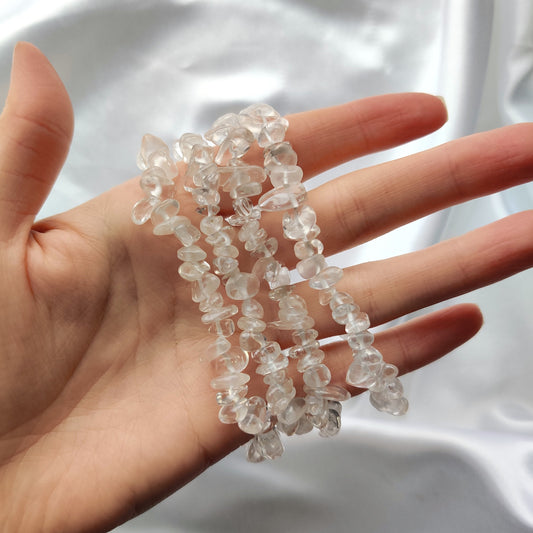
Small crystals can be choking hazards. Keep them away from babies, toddlers and any child who may put objects in their mouth.
Always consider:
- the child’s age and development
- the size and weight of the crystal
- sharp points and rough edges
- cracks that could cause a piece to break
- whether the mineral can shed dust or fibres
- the safety of jewellery chains and elastic cords
- where the crystal will be stored
Adult supervision is necessary whenever a child handles a small, pointed, brittle or unfamiliar mineral.
Where should crystals be placed in a child’s room?
Place crystals on a stable shelf where they cannot fall onto the child. Heavy pieces should be kept low enough to remain stable but completely outside the reach of young children.
Do not place crystals:
- inside a cot or young child’s bed
- beneath a pillow
- on an unstable bedside table
- above a bed where they could fall
- beside food or drinking water
- where a baby or toddler can reach them
- next to active play areas
A closed display cabinet can be a practical option for mineral collections.
Crystals should not be placed under a pillow
Even rounded stones can become uncomfortable or cause injury if a child rolls onto them. Small stones may become lost in bedding and create a choking hazard.
A crystal connected with an evening routine should remain on a stable shelf outside the child’s reach. Its role can be purely visual: seeing it may remind the family that it is time to begin the usual bedtime routine.
The routine itself—predictable timing, a suitable environment and adult reassurance—is what supports bedtime.
Never make crystal water for a child
Do not place crystals in drinking water or allow a child to lick, suck or chew them. Minerals may contain elements or surface treatments that are not intended for ingestion.
This applies even when a crystal is commonly described online as safe or “cleansing.” Home identification cannot reliably confirm every inclusion, coating, dye or contaminant.
If a child places a mineral in their mouth or swallows part of it, contact the appropriate medical or poison information service.
Crystals and jewellery for children
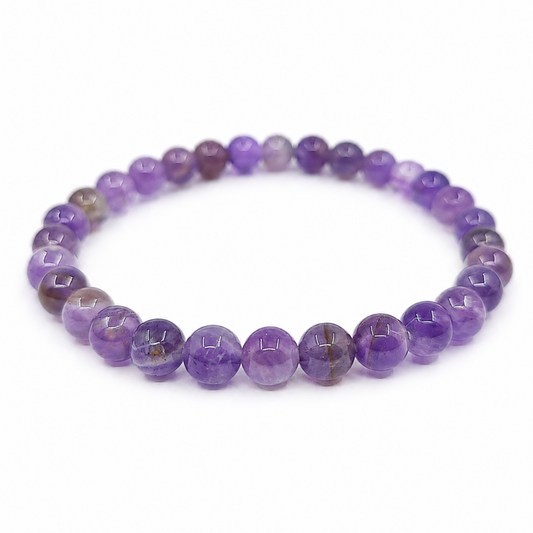
Bracelets, necklaces and pendants can present choking, strangulation and snagging hazards. They should not be worn during sleep, sports, active play or without suitable adult supervision.
Before giving crystal jewellery to a child:
- check the recommended age
- inspect the cord, clasp and elastic
- confirm the metal components
- consider possible material sensitivities
- remove jewellery before sleeping
- remove it before swimming and physical activity
- check regularly for loose beads or damaged findings
If the child is too young to use jewellery safely, choose a decorative piece that remains under adult control.
Familiar crystals for children
Durable quartz varieties are often easier to care for than very delicate minerals, although any crystal can chip or break if dropped.
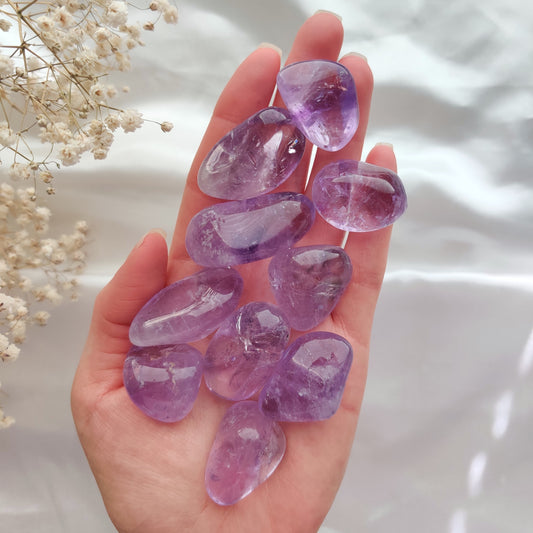
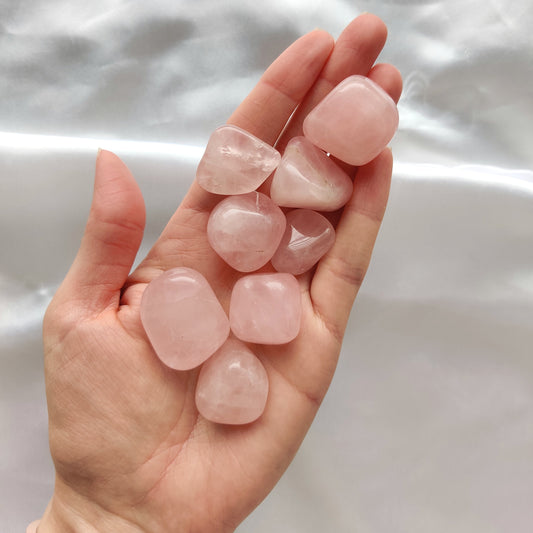
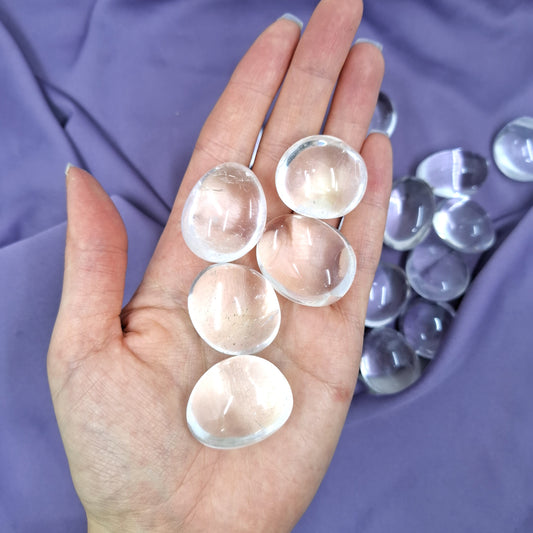
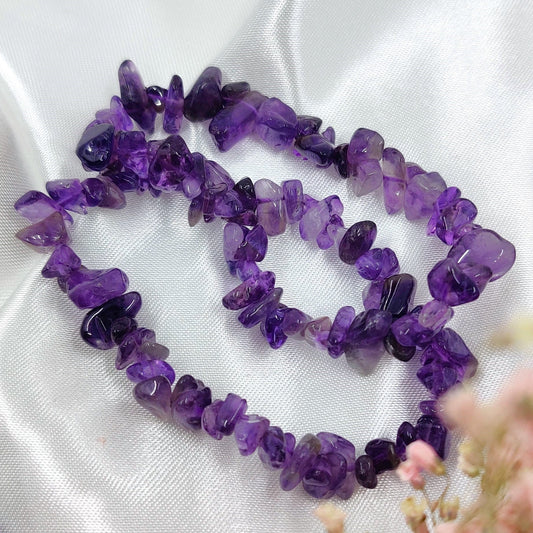
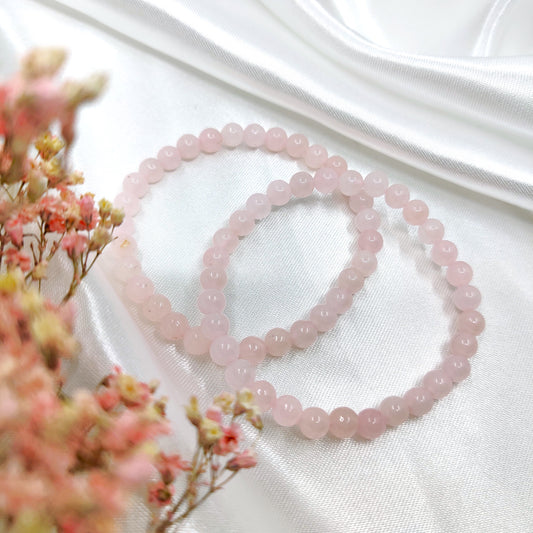
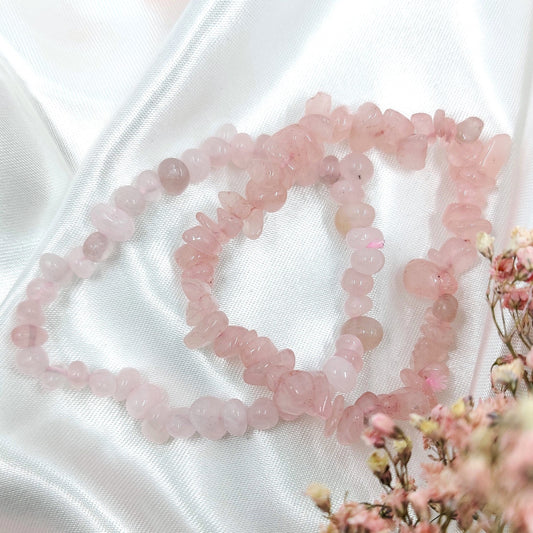
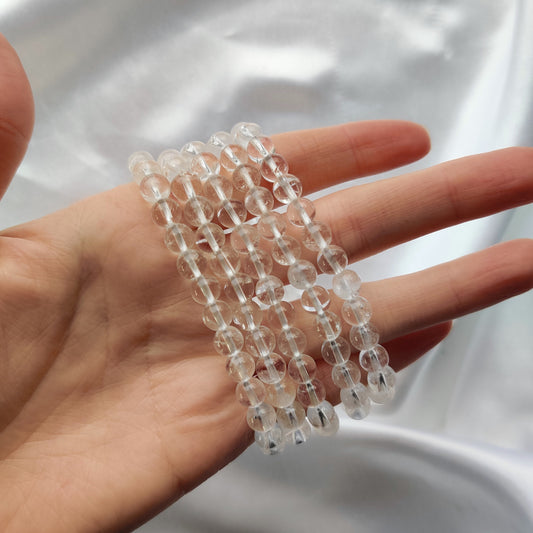
Amethyst offers purple colouring and visible quartz features. Rose quartz has pale pink shades, while clear quartz provides an opportunity to observe transparency, inclusions and crystal form.
Blue lace agate is recognised by pale blue and white bands. Choose a sufficiently large, stable piece and supervise handling according to the child’s age.
Traditional meanings do not make one mineral safer than another. Physical properties and product design determine safe use.
Minerals requiring additional caution
Some minerals are fragile, contain potentially harmful elements or can produce hazardous dust when broken, cut or ground.
Examples requiring particular caution include:
- fibrous minerals
- cinnabar and other mercury minerals
- galena and other lead-containing minerals
- arsenic-containing minerals
- crumbly or oxidising sulphide specimens
- sharp clusters and crystal points
- unidentified raw mineral pieces
Decorative minerals should never be cut, drilled, sanded or ground by a child. Keep all mineral dust away from children.
How to choose an appropriate piece
Choose the crystal together when the child is old enough to understand how it should be handled. Colour and appearance can make the selection personal without promising a particular effect.
Look for:
- a piece too large to swallow
- a stable shape that does not roll easily
- rounded rather than sharp edges
- a surface that does not crumble or shed
- clear product information
- a mineral with straightforward care requirements
- a designated storage or display location
Avoid assuming that a polished surface automatically makes every mineral suitable for children.
Crystals as educational objects
A crystal can become the starting point for learning rather than being presented only through spiritual claims.
You can explore:
- the mineral’s name and composition
- where it forms
- its colour and pattern
- differences between rocks and minerals
- hardness and safe handling
- how polished and raw surfaces differ
- why two pieces of the same mineral look different
The A–Z Crystal Guide provides information about individual materials and their traditional symbolism.
When a child is worried or unable to sleep
A crystal is not a treatment for anxiety, fear, sleep problems or other health concerns. Avoid telling a child that they need a crystal to remain safe or that something bad could happen without it.
If worries, stress or sleep difficulties are persistent or interfere with everyday life, speak with an appropriate healthcare professional. A crystal may remain a decorative keepsake, but it should not carry responsibility for the child’s wellbeing.
Caring for a child’s crystal
Care depends on the mineral. An adult should handle cleaning when the composition or treatment is uncertain.
General precautions:
- wipe durable pieces with a clean cloth
- avoid harsh chemicals and abrasive products
- do not soak unidentified minerals
- inspect regularly for cracks or loose fragments
- remove damaged pieces from the child’s reach
- wash hands after handling dusty raw specimens
- store each piece securely when not in use
Follow the product-specific care instructions for the individual mineral.
Learn more about familiar crystals
Explore crystals for kids and choose an age-appropriate keepsake or room decoration with safe placement in mind.
← Back to all categories


 On sale
 Coming soon