Crystals for studying, revision and focused work
A crystal can mark the beginning of a study session or remind you of a specific learning habit. It might prompt you to put your phone away, choose one subject or test your knowledge instead of repeatedly rereading the same material.
The crystal does not produce concentration or learning. Progress comes from effective study methods, repetition, suitable breaks and enough sleep.
What can crystals realistically do for studying?
Crystals can function as decorative objects, tactile cues and symbols connected with a study routine.
They cannot:
- improve memory automatically
- increase intelligence or concentration
- teach or explain the subject
- replace revision and practice
- compensate for insufficient sleep
- remove examination anxiety
- guarantee academic results
Traditional crystal meanings are symbolic. The study method connected with the crystal creates the practical value.
Connect each crystal with one study action
Choose the action first and the crystal second.
Study challengePractical actionPossible symbolic crystalDisorganised materialsPrepare the required notesFluoriteDifficulty structuring ideasCreate an outlineSodaliteRushing or feeling overwhelmedTake a planned pauseAmethystToo many competing tasksChoose one priorityClear quartzAvoiding the first stepBegin with five minutesCarnelianFrequent distractionsUse a timed focus periodTiger’s eye
You only need one crystal connected with the part of studying that currently needs attention.
Fluorite for organising study materials
Fluorite is traditionally associated with organisation, focused thinking and recognising patterns. Its colour zoning also makes it an interesting desk mineral.
Use fluorite as a reminder to:
- collect the required materials before beginning
- close unrelated browser tabs
- divide the subject into smaller sections
- write down interruptions instead of following them
- keep the immediate study area clear
- review what needs to be completed today
Fluorite cannot increase concentration. Organising the environment reduces avoidable barriers to studying.
Read the Fluorite Meaning guide.
Sodalite for structuring information
Sodalite is traditionally connected with logical thinking, communication and organising ideas.
It can symbolise actions such as:
- create an outline before writing
- separate main ideas from supporting details
- explain the topic in your own words
- compare two theories or concepts
- write down questions that remain unanswered
- check facts before reaching a conclusion
Explaining a subject aloud or in writing can reveal gaps that passive rereading does not show.
Explore the Sodalite Meaning guide.
Amethyst for a deliberate pause
Amethyst is traditionally associated with reflection and composure. It may be a useful symbol for someone who studies for too long without taking an effective break.
Connect amethyst with a planned pause:
- Decide the length of the study period.
- Work on one defined task.
- Stop when the timer ends.
- Stand up and move away from the screen.
- Return at the agreed time.
- Select the next task deliberately.
A break should interrupt the workload without turning into an unplanned hour of scrolling.
Read the Amethyst Meaning guide.
Clear quartz for choosing one priority
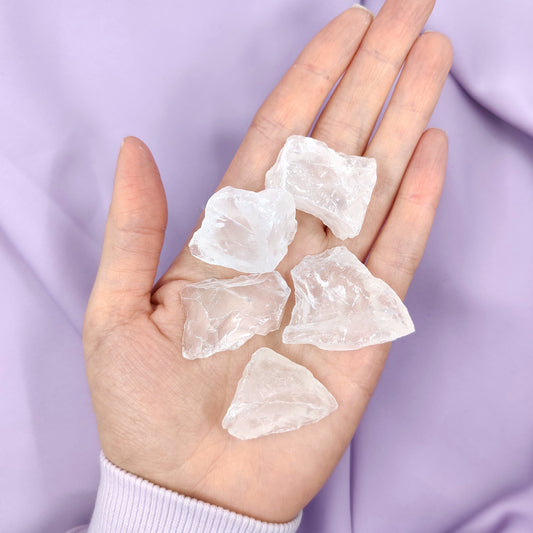
Clear quartz is traditionally associated with clarity and intention. It can mark the topic or assignment that currently deserves attention.
At the beginning of a session:
- list the available tasks
- identify the most urgent or important one
- define the next visible action
- place clear quartz beside the relevant material
- work on that task before changing subjects
- record what remains unfinished
The crystal does not clarify information. Prioritising and defining the next action create clarity.
Explore the Clear Quartz Meaning guide.
A practical study routine
Use a crystal to mark the beginning and end of each session.
Before studying
- decide what you intend to complete
- prepare notes, books and equipment
- put unnecessary devices out of reach
- place the crystal beside the relevant material
- set a realistic working period
During the session
- focus on one defined task
- make brief notes in your own words
- mark unclear areas for later review
- test yourself without looking at the answer
- take the planned break when required
At the end
- summarise what you learned
- record unfinished questions
- decide the first task for the next session
- organise the materials
- return the crystal to its usual place
A consistent routine makes it easier to begin again the following day.
Active recall instead of repeated rereading
Reading the same material several times can feel productive without showing whether you can actually remember it.
Use the crystal as a cue to close the notes and ask:
- What were the three main points?
- Can I explain this without using the original wording?
- Which part can I not yet recall?
- How does this topic connect with earlier material?
- What question might appear in an examination?
- Can I solve an example without checking the answer?
Testing your recall provides more useful information than relying on familiarity.
Crystals during examination preparation
A crystal can remain beside a revision plan as a symbol of the routine used during preparation. It should not become something you believe is necessary for remembering information or succeeding.
Before an examination:
- check what material is included
- divide revision across available days
- practise retrieving information
- complete example questions
- prepare the necessary equipment
- prioritise sleep before the examination
Check examination rules before bringing crystals or jewellery into the room. Personal objects may need to remain outside the examination area.
Creating a suitable study space
A study area does not need to be perfect, but it should make the intended task reasonably easy to begin.
Consider:
- sufficient lighting
- a supportive chair and working position
- only the materials needed for the current task
- notifications turned off
- water kept separate from minerals and electronics
- a clear place for the chosen crystal
- regular movement and screen breaks
Keep fragile crystals such as fluorite away from the edge of the desk.
Carrying a crystal during the study day
A small tumbled stone can be stored in a fabric pouch, while jewellery can provide a wearable reminder away from a fixed desk.
The crystal should not:
- create noise during lessons
- distract you from the subject
- damage equipment
- have sharp or fragile edges
- violate school or examination rules
- replace the materials required for studying
If handling the crystal repeatedly becomes another distraction, leave it in its pouch or on the desk.
How to choose a crystal for studying
Choose according to the habit you want to reinforce.
- choose fluorite for organising materials
- choose sodalite for structuring information
- choose amethyst for planned pauses
- choose clear quartz for identifying one priority
- choose carnelian as a cue to begin
- choose tiger’s eye for following a prepared plan
Then select the most practical form:
- a stable desk crystal
- a tumbled stone in a pouch
- jewellery for a wearable reminder
- a small piece beside a planner
- a crystal set for separate study stages
When concentration remains difficult
Difficulty concentrating can result from many factors, including sleep deprivation, stress, an unsuitable environment, health conditions and learning-related needs.
If concentration problems are persistent and interfere with school, studies or everyday life, seek appropriate support from a teacher, student service or healthcare professional. A crystal can remain part of a personal routine but should not delay practical help.
Learn more about crystals for study
Explore crystals for study and focus and choose a visual reminder for organising, beginning or completing your next study session.
← Back to all categories


 On sale
