Crystals for desks, offices and working routines
A crystal can add colour and mineral detail to a workspace while serving as a reminder of a specific working habit. It might prompt you to identify the most important task, take a planned break or finish the working day at the agreed time.
The crystal does not create focus or motivation. The practical effect comes from completing the action you have connected with it.
What can crystals realistically do at work?
Crystals can function as decorative objects, tactile cues and personal symbols. Their traditional meanings can help you decide what each piece should remind you to practise.
A crystal cannot:
- improve concentration by itself
- complete tasks or make decisions
- block distractions automatically
- compensate for inadequate rest
- protect you from workplace conflict
- reduce an unreasonable workload
- prevent or treat occupational burnout
Working conditions, planning, communication, recovery and appropriate support determine workplace wellbeing.
Start with the challenge—not the crystal
Identify the part of your working routine that needs attention before choosing a crystal.
For example:
Working challengePractical actionPossible symbolic crystalToo many competing tasksSelect one priorityClear quartzRushing between meetingsPause before the next taskAmethystDifficulty ending the workdayCreate a shutdown routineBlack tourmalineDelaying an important taskComplete the smallest next stepPyriteFrequent interruptionsUse a focused working periodFluoriteUncertain decisionsWrite down the available factsTiger’s eye
The crystal is only the cue. The action is what changes the working routine.
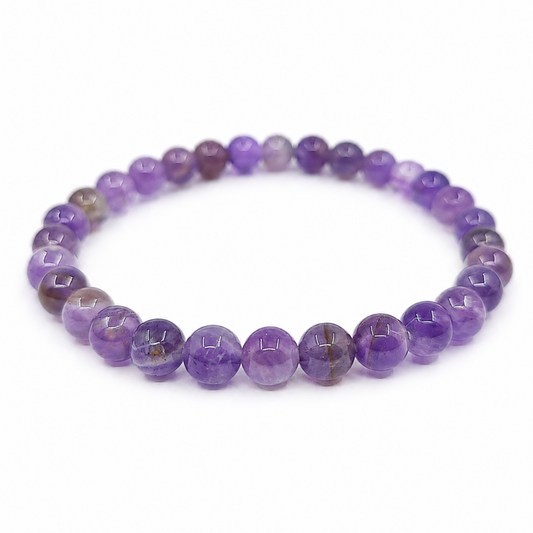
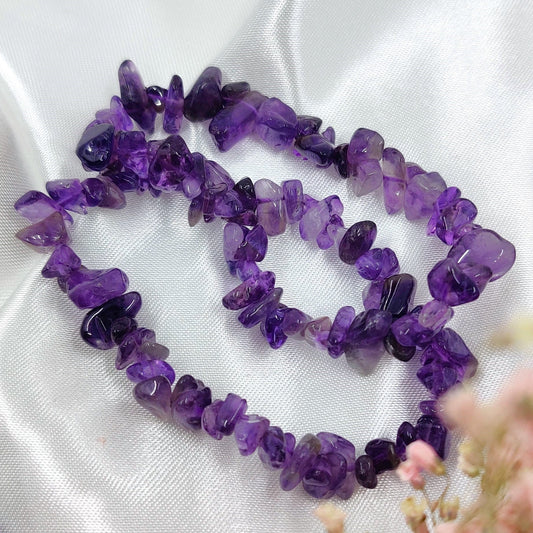
Amethyst as a pause reminder
Amethyst is traditionally associated with composure and reflection. On a desk, it can remind you to create a short pause before responding to a difficult message or moving directly into the next meeting.
Connect amethyst with actions such as:
- breathe out before opening a meeting
- read a message twice before replying
- take the scheduled break
- reduce unnecessary background noise
- finish one task before checking another notification
Read the Amethyst Meaning guide.
Clear quartz for defining one priority
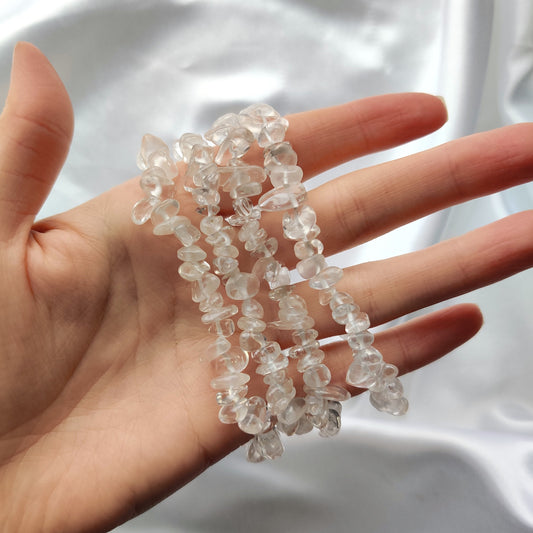
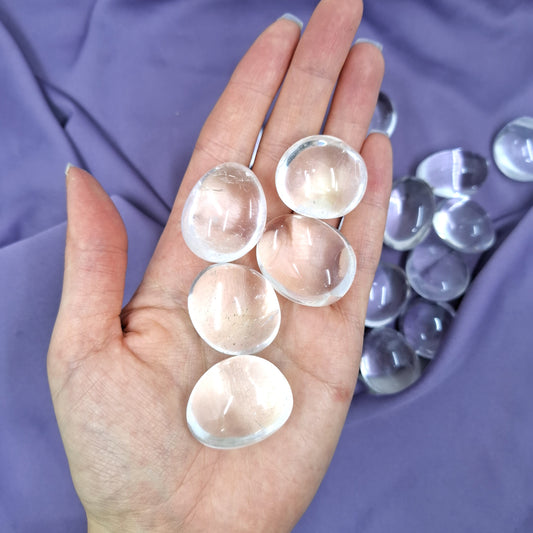
Clear quartz is traditionally associated with clarity and intention. It can serve as a visible reminder to define what needs to be completed next.
At the beginning of the day:
- Write down all current tasks.
- Identify the most important outcome.
- Choose the next visible action.
- Place clear quartz beside that task.
- Move the crystal only after completing or deliberately rescheduling it.
The stone does not clarify thoughts automatically. Writing and prioritising create the clarity.
Explore the Clear Quartz Meaning guide.
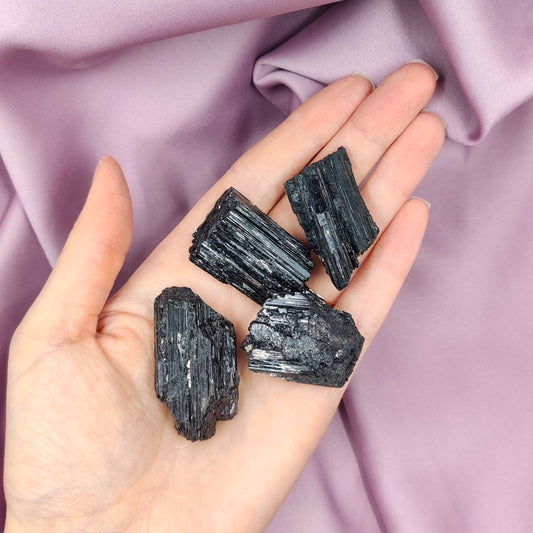
Black tourmaline for work boundaries
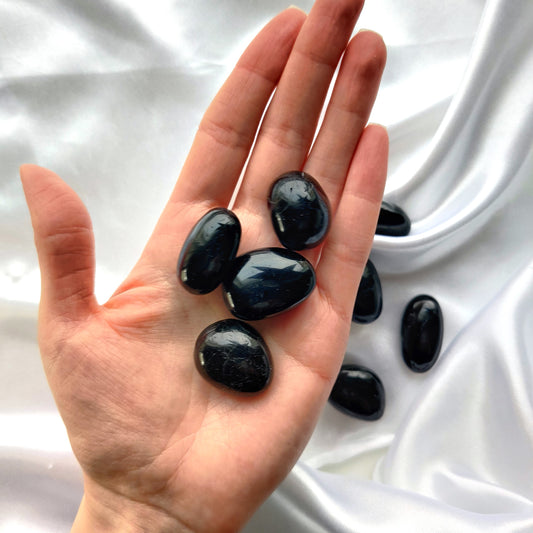
Black tourmaline is traditionally associated with protection and grounding. In a working routine, it can symbolise practical boundaries rather than supernatural protection.
Use it as a reminder to:
- keep work within agreed hours
- silence non-essential notifications
- avoid replying when you need time to gather information
- separate another person’s urgency from your priorities
- complete a shutdown routine before leaving work
A crystal cannot protect someone from harassment, unsafe conditions or unreasonable demands. These situations require workplace procedures and appropriate professional support.
Read the Black Tourmaline Meaning guide.
Pyrite for taking the next action
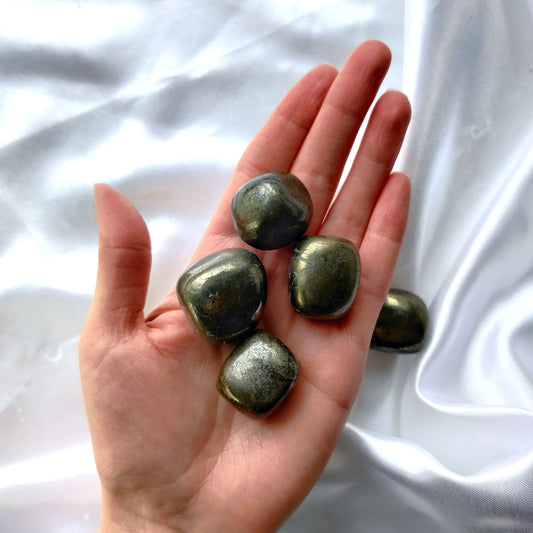
Pyrite is traditionally associated with ambition, confidence and purposeful goals. Its metallic surface also makes it a noticeable desk specimen.
Connect pyrite with practical prompts such as:
- begin with a five-minute action
- send the necessary first message
- open the document instead of planning indefinitely
- record completed work
- review the next project milestone
Pyrite does not create success or productivity. It can represent the decision to begin with an achievable action.
Learn more in the Pyrite Meaning guide.
Fluorite for organising a workspace
Fluorite is traditionally connected with organisation and focused thinking. Its varied colours also make it a distinctive desk crystal.
Use fluorite as a cue to:
- close unrelated browser tabs
- clear the immediate working area
- write down interruptions instead of following them immediately
- work on one task for a defined period
- review notes before beginning
Keep fluorite away from the edge of the desk because it is more delicate than quartz and can chip if dropped.
Tiger’s eye for considered decisions
Tiger’s eye is traditionally associated with focus, confidence and measured decision-making.
When facing a choice, let it remind you to:
- define the actual decision
- list the available facts
- identify what remains unknown
- consider the practical consequences
- decide when enough information has been gathered
The crystal cannot determine which option is correct. Its role is to prompt a repeatable decision process.
A simple desk routine
Give the crystal a fixed place and one practical meaning.
At the beginning of the day
- review appointments and deadlines
- select the main priority
- prepare the necessary materials
- move the crystal beside the first task
During focused work
- silence avoidable notifications
- keep unrelated tasks on a separate list
- work for a realistic period
- pause when attention becomes ineffective
Between tasks
- stand up or change position
- check whether the priority has changed
- clear the completed materials
- move the crystal to the next task
At the end of the day
- record unfinished work
- decide the first step for tomorrow
- close work-related applications
- return the crystal to its usual place
This creates a visible beginning and end to the routine, particularly when working from home.
Crystals in shared offices
A small polished stone or understated desk piece is often more practical in a shared workspace than a large cluster.
Consider:
- available desk space
- whether the piece can fall
- workplace policies
- colleagues with allergies or sensitivities to fragrance—avoid scented products
- whether spiritual objects are appropriate in the setting
- safe storage when the desk is unattended
Crystals should not interfere with equipment, ventilation, food preparation or shared working areas.
Carrying a crystal during the workday
A tumbled stone can be carried in a separate pouch, while jewellery keeps the chosen material visible without occupying desk space.
Choose a form that does not:
- make noise during meetings
- create a distraction while typing
- damage a pocket or bag
- have sharp edges
- interfere with protective work equipment
- violate workplace safety requirements
In physical, clinical, laboratory or food-related work, follow the workplace’s hygiene and jewellery rules.
How to choose a crystal for work
Choose according to the habit you want to reinforce.
- select amethyst as a cue to pause
- select clear quartz to mark the main priority
- select black tourmaline to represent boundaries
- select pyrite for taking the next action
- select fluorite for organising the workspace
- select tiger’s eye for a decision routine
Then choose the most practical form:
- a stable specimen for a desk
- a tumbled stone for carrying
- jewellery for a wearable reminder
- a small piece for a shared workspace
- a crystal set for several separate routines
Using one crystal for one purpose keeps the reminder clear.
When work feels persistently overwhelming
A crystal cannot resolve chronic overwork, unsafe conditions, bullying, inadequate staffing or occupational burnout.
If work-related stress persistently affects sleep, health or everyday functioning, speak with an appropriate healthcare professional, occupational health service, manager, employee representative or other relevant support service.
Seeking assistance is a practical response to a working environment problem—not a failure to remain positive.
Learn more about crystals for work
Explore crystals for work and choose a visual reminder for priorities, breaks or workplace boundaries.
← Back to all categories


 On sale