Chalcedony Crystals and Polished Stones
Chalcedony crystals in understated blue and grey shades
Chalcedony is a microcrystalline form of silica with a smooth, wax-like lustre. In crystal collections, the name often refers to translucent, unbanded material in pale blue, grey, white and lavender-toned shades.
In crystal traditions, chalcedony is associated with considered communication, composure and listening before responding. Many people choose it as a symbolic reminder to organise their thoughts and express one idea at a time.
Chalcedony can be carried as a polished stone, displayed with a mineral collection or kept near a desk or journal. Its understated colouring also combines easily with other pale blue and neutral crystals.
- microcrystalline material from the quartz family
- often pale blue, grey, white or lightly lavender
- traditionally associated with balanced communication
- available in polished and collectible forms
💙 Explore chalcedony crystals and choose an individual colour and form for your collection.
-
Flower Agate & Amethyst Heart | J 421 g
No reviewsRegular price €64,40Sale price Regular price€92,00€64,40-30% -
Flower Agate & Amethyst Heart | B 262 g
No reviewsRegular price €43,20Sale price Regular price€54,00€43,20-20% -
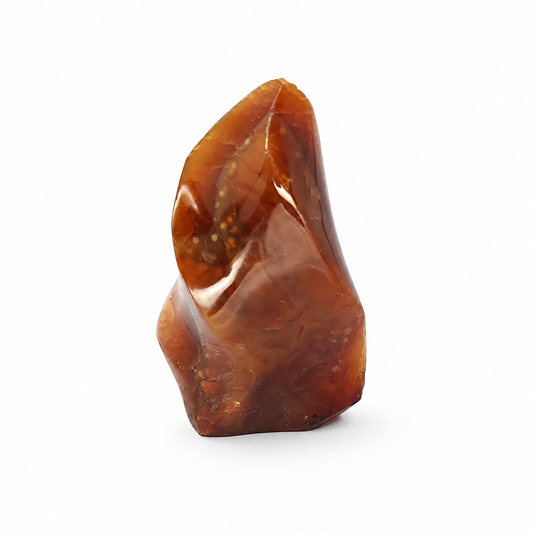
Flower Agate & Amethyst Heart | G 483 g
No reviewsRegular price €69,30Sale price Regular price€99,00€69,30-30% -
Flower Agate & Amethyst Heart | H 537 g
No reviewsRegular price €77,00Sale price Regular price€110,00€77,00-30% -
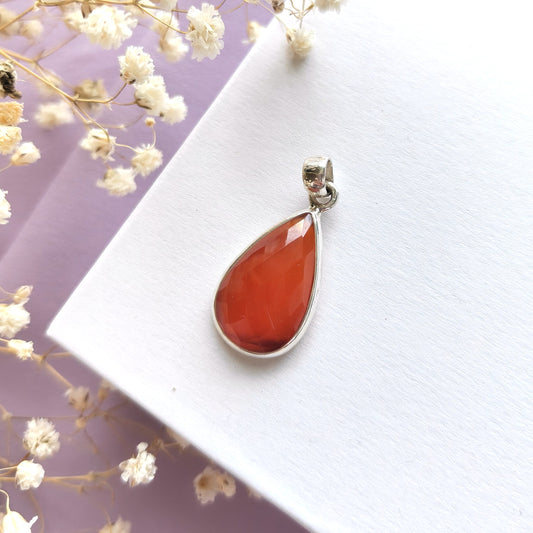
Flower Agate & Amethyst Heart | K 615 g
No reviewsRegular price €94,50Sale price Regular price€135,00€94,50-30% -
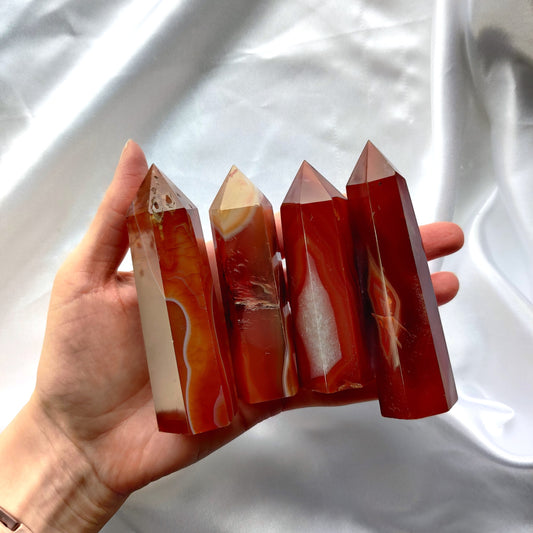
Carnelian Tower
6 reviewsRegular price €19,00Sale price Regular price€19,00 -
Orca Agate Palm Stone
No reviewsRegular price €6,00Sale price Regular price€6,00 -
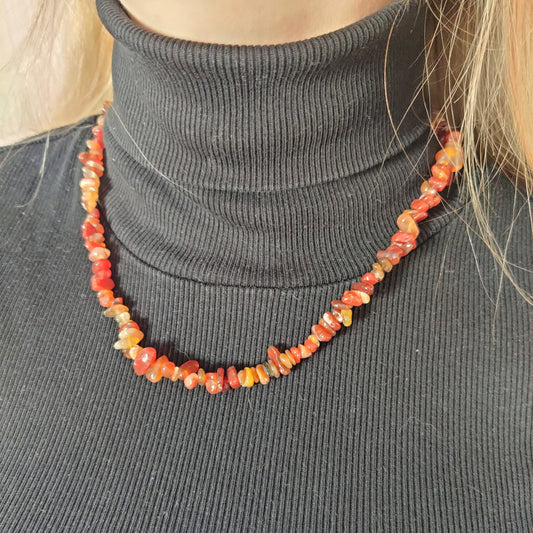
Carnelian Chip Necklace
No reviewsRegular price €15,00Sale price Regular price€15,00 -
Save €2,50

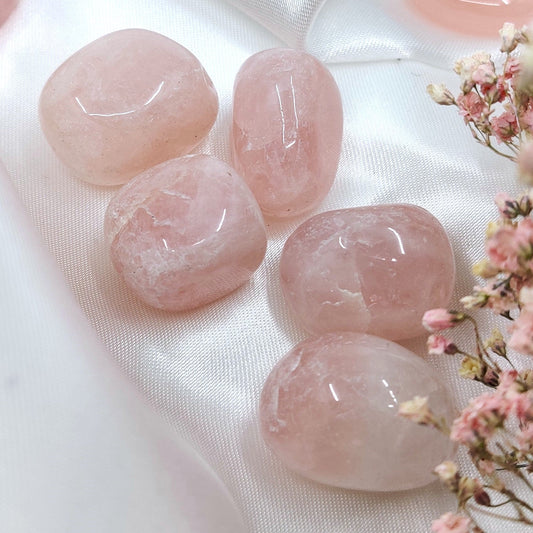
Crystals for Love Rose Quartz Crystal Set
2 reviewsRegular price €12,50Sale price Regular price€12,50 -
Save €1,50

Zodiac Crystal Set | Aries
No reviewsRegular price €10,00Sale price Regular price€10,00 -
Save €1,00

Zodiac Crystal Set | Leo
2 reviewsRegular price €8,50Sale price Regular price€8,50 -
Save €3,00

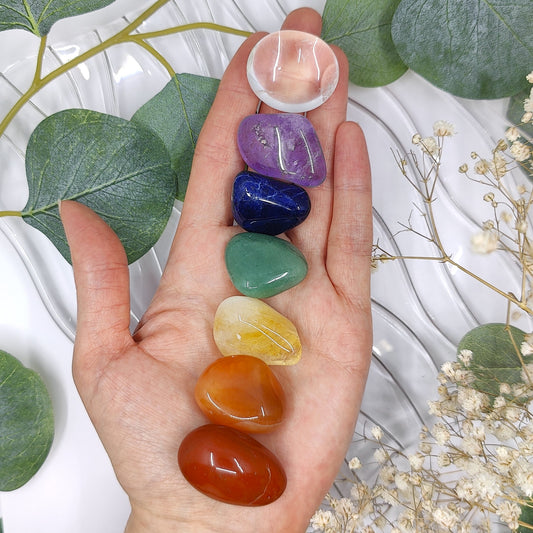
Chakra Stones 7-Piece Crystal Set
1 reviewRegular price €21,00Sale price Regular price€21,00 -
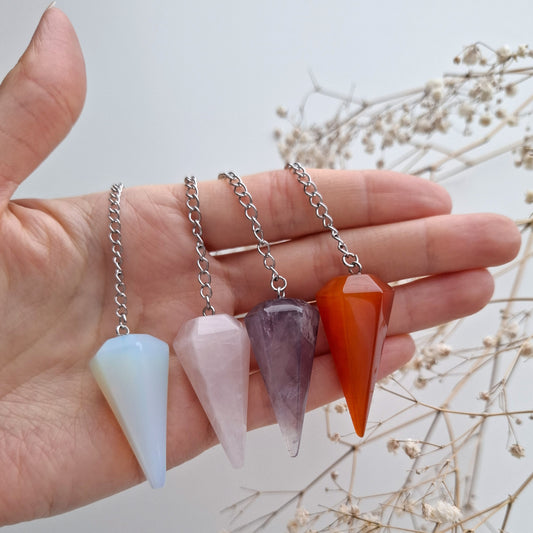
Pendulum Carnelian
No reviewsRegular price €11,50Sale price Regular price€11,50 -
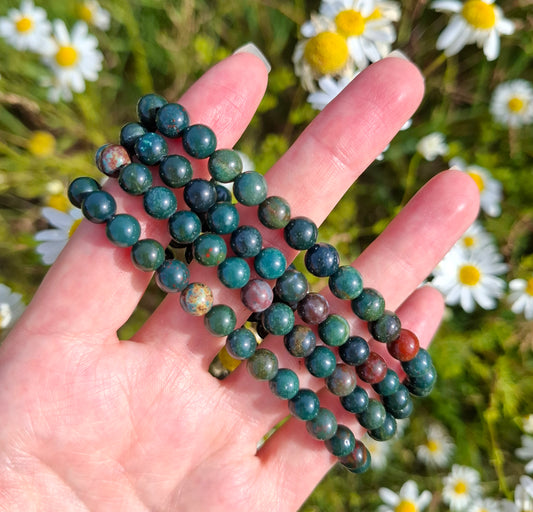
Bloodstone Beaded Bracelet 6 mm
8 reviewsRegular price €12,90Sale price Regular price€12,90 -
Chalcedony Chip Bracelet
8 reviewsRegular price €9,90Sale price Regular price€9,90
Chalcedony crystals and the wider chalcedony family
Chalcedony is a microcrystalline form of silica composed of extremely fine quartz and moganite structures. Unlike large transparent quartz crystals, its individual crystal grains are too small to distinguish without specialised equipment.
The name chalcedony can refer to an extensive mineral group. In shops and jewellery, however, it is often used more narrowly for unbanded, translucent material in pale blue, grey, white or lavender-toned shades.
What does chalcedony look like?
Chalcedony usually has a smooth surface and a wax-like rather than highly glassy lustre. Depending on the piece, it may be translucent around the edges or almost completely opaque.
Common characteristics include:
- pale blue, grey, white or lavender colouring
- cloudy or evenly distributed colour
- translucent edges
- a smooth wax-like lustre
- small internal patterns and inclusions
- polished surfaces without obvious crystal points
Colour and transparency can vary substantially between pieces. Review the individual product photographs rather than expecting every chalcedony to have an identical shade.
What does chalcedony traditionally represent?
In modern crystal traditions, chalcedony is associated with considered communication, listening and maintaining composure during discussions. Some people keep it nearby as a reminder to organise their thoughts before speaking.
Traditional chalcedony themes include:
- listening before responding
- communicating one idea clearly
- choosing words with consideration
- pausing during an emotional conversation
- recognising another person’s perspective
- creating time for reflection
These meanings are symbolic and are not scientifically demonstrated properties of the mineral. Chalcedony cannot improve communication or reduce stress by itself, but it can represent behaviours that require conscious practice.
Is chalcedony the same as agate?
Agate belongs to the wider chalcedony family, but the names are not completely interchangeable in everyday use.
Agate is generally recognised by visible bands, layers or distinctive patterns. Material sold simply as chalcedony is more often unbanded and may have a relatively even, cloudy or translucent appearance.
Several familiar crystals belong to the wider chalcedony group:
These varieties have different colours and patterns but share a closely related microcrystalline silica structure.
Chalcedony and colour treatments
Chalcedony is porous enough to accept dyes, and colour treatment has been used for a long time in gemstone production. Some unusually intense blue, pink, green or purple pieces may therefore be dyed.
Treatment does not automatically make a polished piece unattractive, but it should be disclosed whenever known. Check the product description for information about colour enhancement or other treatments.
Untreated chalcedony can also occur in attractive blue, grey and lavender shades. Colour alone is not always sufficient to determine treatment without gemmological testing.
Chalcedony at home and on a desk
A polished chalcedony can be placed on a desk, shelf or beside a journal. Its pale colouring works particularly well with neutral interiors and collections built around blue, white or grey minerals.
You could use it as a symbolic reminder to:
- prepare your main point before a conversation
- write down thoughts that feel difficult to explain
- ask for clarification instead of making assumptions
- listen to the full answer before responding
- return to a discussion after taking time to reflect
The crystal cannot communicate on your behalf. Its practical value comes from associating it with a behaviour you have chosen to practise.
Carrying a polished chalcedony
Smaller polished pieces can be carried in a pocket, handbag or fabric pouch. Their rounded surfaces make them comfortable to hold during reflection or while organising your thoughts.
Keep chalcedony separate from keys, coins and harder objects to protect its polished surface. Although chalcedony has reasonable durability, impacts can still cause chips or fractures.
Who might enjoy chalcedony?
Chalcedony may appeal to someone who prefers understated colouring and polished minerals without strong bands or highly reflective surfaces.
It can be a suitable choice for:
- a collection of pale blue crystals
- someone interested in the quartz family
- a desk or journalling area
- a person who prefers neutral colours
- a beginner exploring polished crystals
- a symbolic gift connected with communication
Because chalcedony is a broad mineral group, it is also useful for anyone interested in understanding how familiar varieties such as agate, carnelian and onyx are related.
Chalcedony and other pale blue crystals
Chalcedony can be combined visually with several pale blue and neutral crystals.
Blue lace agate has visible pale blue and white bands. Aquamarine is a variety of beryl and often has greater transparency and a glassier lustre.
Celestite forms delicate crystals and requires considerably more careful handling. Amazonite usually has stronger turquoise-green colouring, while moonstone may display a floating optical sheen.
These minerals may resemble one another in colour but differ in composition, hardness and crystal structure.
How to choose your chalcedony
Begin by considering the colour, translucency and form that appeal to you most.
- choose pale blue for a classic chalcedony appearance
- choose grey or white for a neutral collection
- look for translucent edges if you enjoy light passing through the stone
- choose a small polished piece for carrying
- choose a larger piece for display
- check the description for known colour treatments
Small differences in shade, inclusions and transparency are normal. Select the individual piece whose appearance suits its intended use.
How to care for chalcedony
Chalcedony has a hardness of approximately 6.5–7 on the Mohs scale. It is suitable for ordinary handling but can still become scratched or chipped.
To care for chalcedony:
- wipe it with a clean, dry or slightly damp cloth
- use mild soapy water when necessary
- avoid abrasive cleaners and harsh chemicals
- protect the stone from falls and sharp impacts
- remove jewellery before swimming and housework
- store polished pieces separately from harder items
- protect dyed material from prolonged sunlight
Avoid ultrasonic and steam cleaning when a stone contains visible fractures, has been dyed or has an unknown treatment history.
Learn more about chalcedony
- Chalcedony properties, composition and care
- Explore blue lace agate
- Explore agate
- Browse all crystals and stones
Find your chalcedony crystal and choose an understated blue, grey or white piece for carrying, collecting or display.