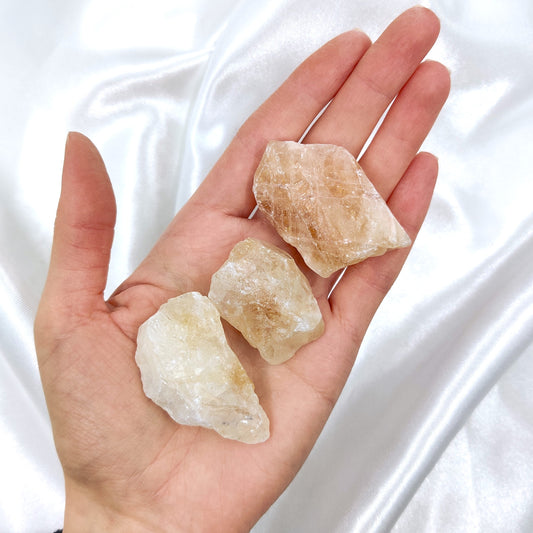
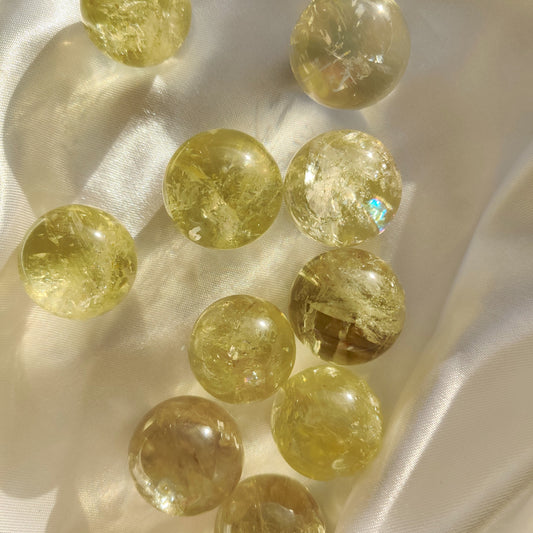
Citrine crystals in yellow and golden shades
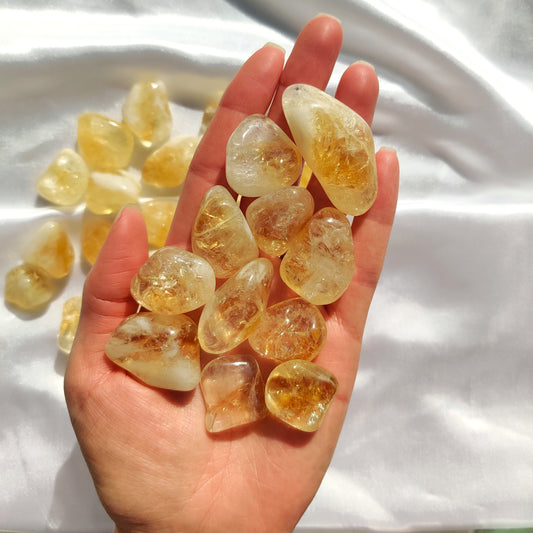
Citrine is a yellow, golden or orange-brown variety of quartz. Its colour may range from pale champagne and honey yellow to deeper amber and burnt orange.
As a member of the quartz family, citrine has good durability and can be fashioned into jewellery, tumbled stones, points, clusters and other polished forms. The appearance of individual pieces varies according to their colour, clarity, inclusions and treatment history.
What does citrine traditionally represent?
In modern crystal traditions, citrine is associated with optimism, confidence, motivation and an abundant mindset. Some people keep it near a workspace or planner as a reminder to focus on possibilities and take practical steps towards a goal.
Common symbolic themes include:
- approaching opportunities with confidence
- recognising personal progress
- maintaining motivation during a project
- developing a constructive outlook
- setting clear and achievable goals
- appreciating existing resources
These associations are symbolic rather than scientifically proven effects. Citrine cannot create success, wealth or happiness by itself. It can instead represent intentions that are supported by planning, learning and consistent action.
Learn more in the complete Citrine Meaning guide.
Natural citrine and heat-treated amethyst
Much of the orange and deep golden citrine available commercially is created by heating amethyst. Heat changes the iron-related colour centres within the quartz, producing yellow, orange or brownish shades.
Natural citrine is less common and frequently has a paler yellow, champagne or smoky appearance. Heat-treated amethyst often displays stronger orange colouring and may retain a white or pale base.
Both are forms of quartz and can be attractive additions to a collection. However, treatment information should be stated clearly so customers understand what they are purchasing.
Colour alone cannot always confirm whether a piece is naturally coloured or heat-treated. Check the individual product description for the most relevant information about each item.
Citrine jewellery
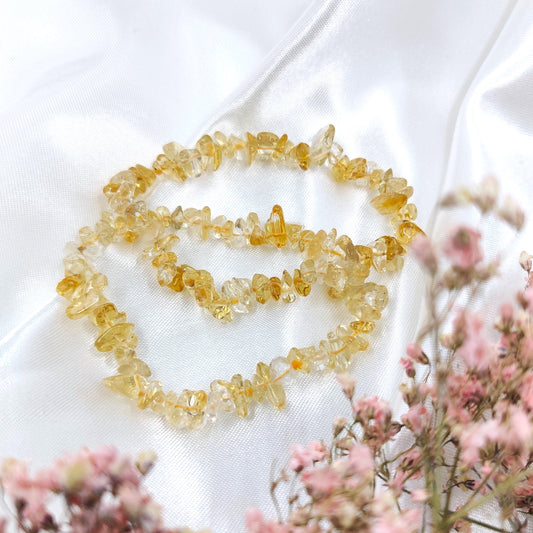
Citrine jewellery introduces warm colour without requiring a large crystal. Faceted stones reflect light, while polished beads and chip bracelets offer a more relaxed appearance with visible variation between pieces.
When choosing citrine jewellery:
- compare pale yellow, golden and deeper orange shades
- check whether the material is natural or heat-treated
- review the measurements of the jewellery and gemstone
- choose a setting suitable for how frequently it will be worn
- expect variation in colour, clarity and inclusions
Citrine works well with both silver- and gold-toned metals. Its colouring can also complement neutral clothing, earthy shades and other warm-coloured jewellery.
Citrine for a desk or workspace
Citrine is often placed on a desk because its traditional symbolism relates easily to goals, motivation and constructive action. A tumbled stone, point or cluster can also introduce a warm decorative detail to a workspace.
Give the crystal one practical symbolic role, such as reminding you to:
- identify the day’s most important task
- divide a large project into smaller steps
- record progress rather than focusing only on unfinished work
- prepare before an important meeting
- review a goal at a regular time each week
The crystal does not complete these actions. Its usefulness comes from connecting a visible object with a habit you have chosen to practise.
Citrine at home
Citrine’s yellow and golden shades work well in areas where you want to introduce warmth and colour. Larger pieces can become part of a shelf display, while smaller polished stones fit easily beside books, plants or other crystals.
Suitable locations include:
- a stable shelf in the living room
- a desk or home office
- a creative workspace
- a display cabinet
- a protected area away from direct sunlight
Prolonged exposure to strong sunlight can gradually fade some quartz colours, so avoid leaving citrine permanently on a sunny windowsill.
Is citrine the November birthstone?
Citrine is one of the recognised birthstones for November, alongside topaz. Citrine jewellery can therefore make a meaningful birthday gift for someone born during that month.
Anyone can choose citrine regardless of their birth month or zodiac sign. Its warm colour, quartz properties and traditional symbolism are equally valid reasons for selecting it.
Citrine may suit:
- a November birthday
- a graduation or new job
- the beginning of a business or project
- someone working towards a personal goal
- a collector of yellow crystals
- anyone who enjoys warm-toned jewellery
Citrine and other uplifting crystals
Citrine can be combined with other crystals traditionally associated with confidence, motivation and purposeful action.
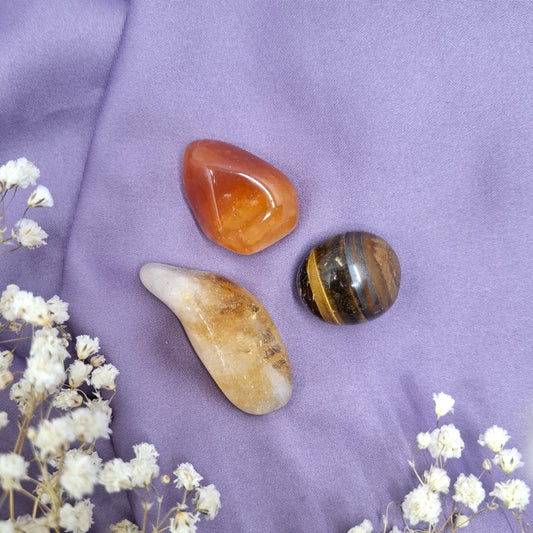
Carnelian introduces orange and red shades and is symbolically connected with courage. Tiger’s eye combines golden and brown colouring with traditional themes of focus and considered decision-making.
Aventurine is associated with opportunities, while pyrite represents ambition and practical goals. Sunstone provides another warm-toned option traditionally linked with confidence and optimism.
You can also browse crystals for positive energy and crystals for success.
How to choose your citrine
Begin by deciding which colour and form suit your intended use.
- choose jewellery if you want to wear citrine regularly
- choose a tumbled stone for carrying or holding
- choose a point or cluster for a desk or shelf
- choose pale citrine for an understated appearance
- choose deeper golden or orange shades for greater contrast
- check whether the product is natural or heat-treated
Review the product photographs, measurements and description carefully. Citrine pieces can differ considerably in colour, clarity and formation.
How to care for citrine
Citrine has a hardness of approximately 7 on the Mohs scale, making it suitable for jewellery and ordinary handling. It can still chip if struck against a hard surface.
To care for citrine:
- wipe it with a clean, dry or slightly damp cloth
- use mild soapy water only when necessary
- avoid abrasive products and harsh household chemicals
- remove jewellery before swimming, exercise and housework
- protect the crystal from falls and sharp impacts
- avoid prolonged exposure to direct sunlight
- store jewellery separately to prevent scratches
Sudden temperature changes may damage crystals containing internal fractures. Allow the stone to return to room temperature gradually rather than exposing it to extreme heat or cold.
Learn more about citrine
Find your citrine crystal or jewellery and choose a warm yellow or golden piece for wearing, carrying or display.
← Back to all categories