Crystals as prompts for creative work
Creativity is not one single moment of inspiration. It can involve collecting material, generating possibilities, choosing a direction, producing a first version and revising the result.
A crystal can mark one of these stages visually. The object does not create the idea; it reminds you which part of the process you are currently working on.
Can crystals make someone more creative?
There is no scientific evidence that crystals directly increase creativity, inspiration or artistic ability.
They can still be used as:
- visual prompts
- project markers
- tactile reminders
- colour references
- symbols connected with a creative intention
- objects within a studio or workspace
The creative result comes from observation, experimentation, developing skills and completing the work.
Read more in the guide to crystals for creativity.
Choose a crystal for one creative stage
Different crystals can represent different parts of a project.
Creative stagePractical actionPossible symbolic crystalBeginningCreate the first imperfect versionCarnelianExploringGenerate several alternativesRainbow moonstoneClarifyingDefine the main ideaClear quartzDevelopingContinue working consistentlyCitrineReviewingLook at the work from a distanceAmethystSharingPresent or publish the finished workTiger’s eye
You do not need several crystals. One piece connected with the stage that usually causes difficulty is enough.
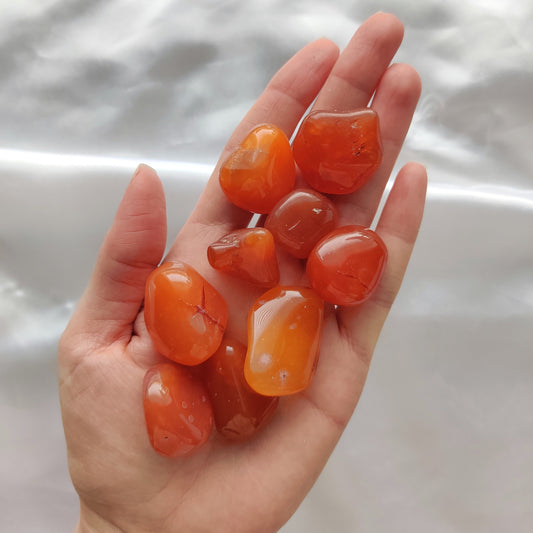
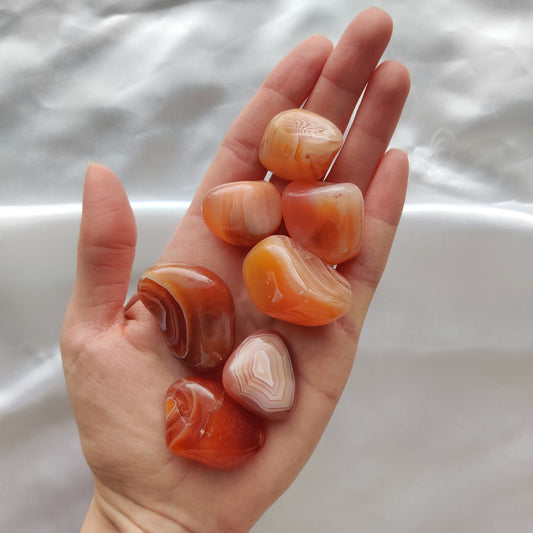
Carnelian for beginning before everything is perfect
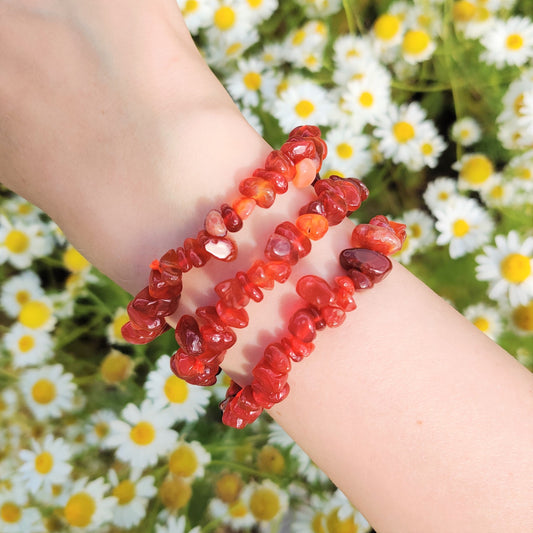
Carnelian is traditionally associated with courage, participation and active self-expression. Its orange and red colouring makes it a noticeable cue to begin.
Use it as a reminder to:
- make the first mark
- write the first imperfect paragraph
- record a rough demo
- create a quick prototype
- begin with the materials already available
- postpone editing until a first version exists
The goal is not to produce excellent work immediately. It is to create something that can be developed.
Explore the Carnelian Meaning guide.
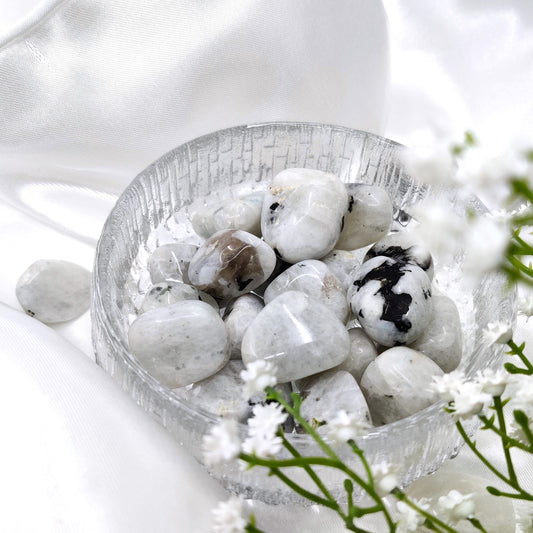
Rainbow moonstone for exploring alternatives
Rainbow moonstone is traditionally associated with intuition, changing perspectives and new beginnings. Its flashes can also change as the stone is viewed from different angles.
Connect it with exercises such as:
- create three versions of the same idea
- change the viewpoint or narrator
- try an unfamiliar material
- reverse an initial assumption
- combine two unrelated references
- ask how someone else might approach the subject
Generating alternatives does not require choosing the best option immediately.
Read the Rainbow Moonstone Meaning guide.
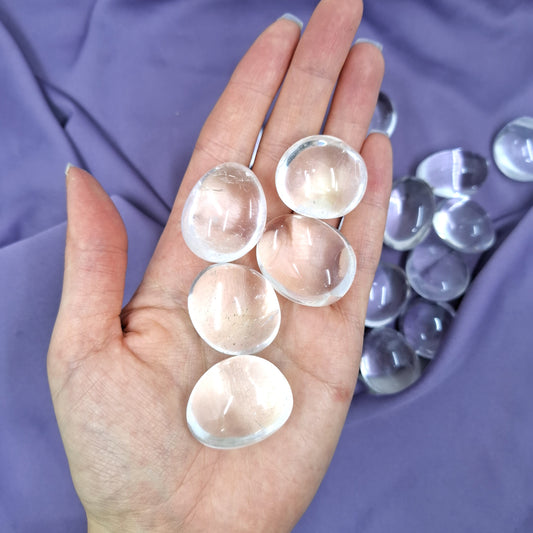
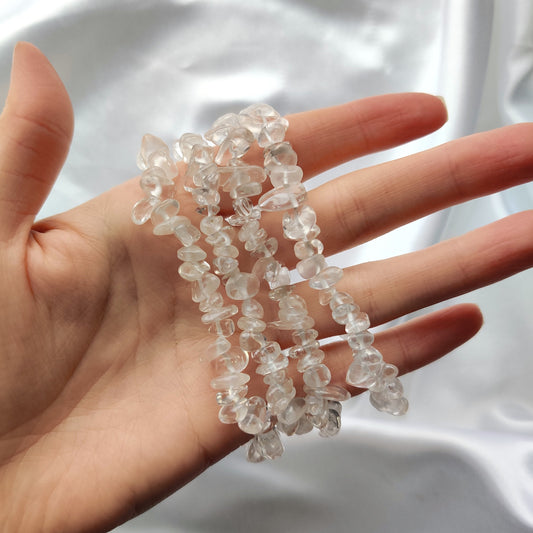
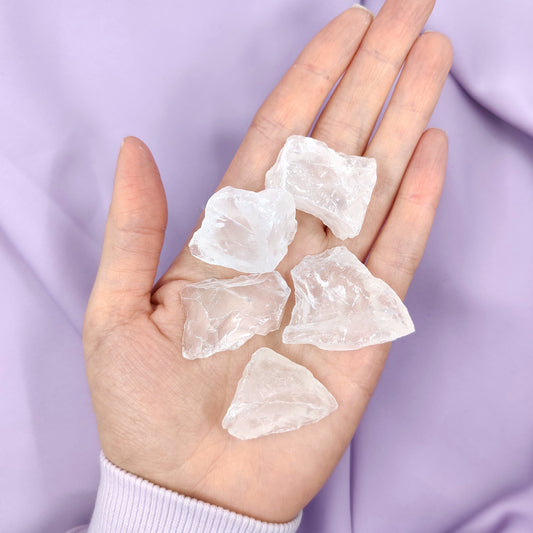
Clear quartz for defining the main idea
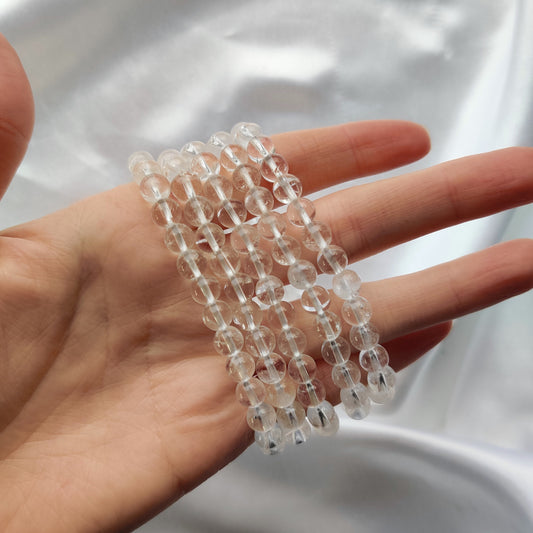
Clear quartz is traditionally connected with clarity and intention. It can represent the stage where several ideas need to be reduced to one workable direction.
Place it beside a note containing:
- the purpose of the project
- the intended audience
- the main idea in one sentence
- the next deliverable
- the current limitation or constraint
- the decision that needs to be made
If the idea cannot yet be explained simply, more exploration may still be required.
Explore the Clear Quartz Meaning guide.
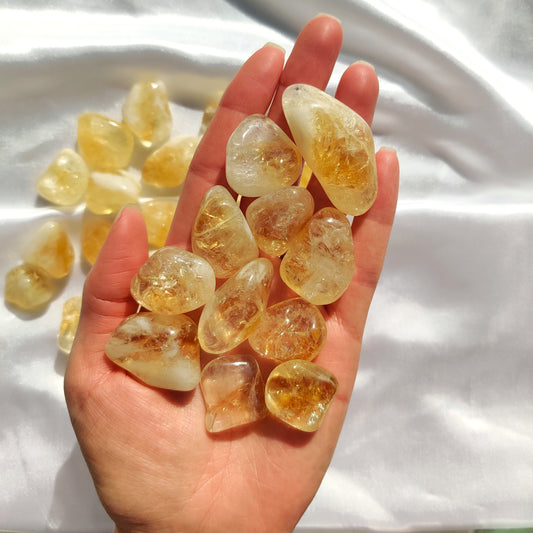
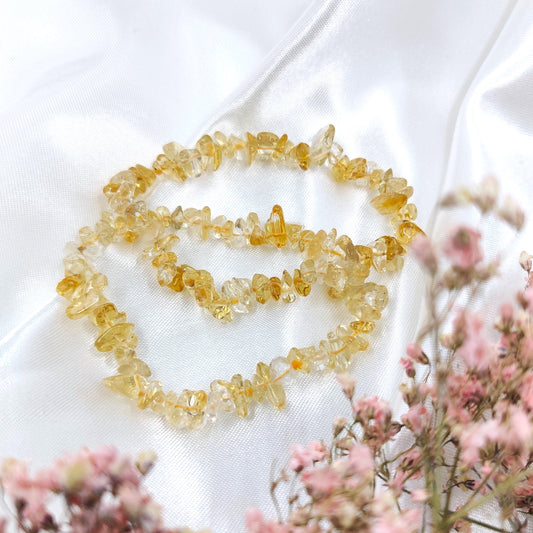
Citrine for developing and sharing the work
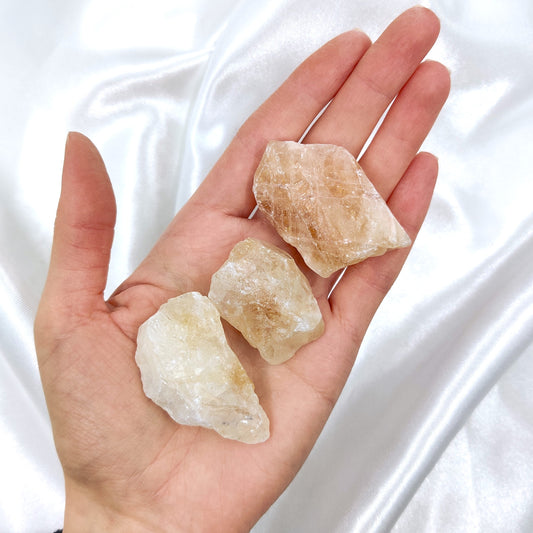
Citrine is traditionally associated with confidence, optimism and purposeful action. It can serve as a reminder that creative work eventually needs to be completed and shown to someone.
Use it as a cue to:
- finish the current version
- request specific feedback
- prepare the work for presentation
- publish or submit by the agreed date
- record what you learned from the project
- begin the next revision only when necessary
Creative work does not need to feel completely finished before it can be shared.
Read the Citrine Meaning guide.
A practical creative routine
Use one crystal to mark the beginning and end of a working session.
Before beginning
- decide what you will make
- choose a realistic working period
- prepare the necessary materials
- place the crystal beside the workspace
- remove avoidable distractions
During the first draft
- keep moving forward
- mark uncertain areas instead of stopping
- avoid correcting every detail immediately
- save alternative ideas for later
- concentrate on producing material
During revision
- identify what the work is trying to communicate
- remove parts that do not support the main idea
- compare feedback with the project’s purpose
- revise one element at a time
- stop when the agreed version is complete
At the end
- save and back up the work
- write down the next step
- clear or organise the workspace
- return the crystal to its usual place
- record one thing that progressed
This creates a repeatable transition into and out of creative work.
Creative exercises using colour and pattern
The physical appearance of a crystal can be used as a creative reference without relying on its traditional meaning.
Try:
- selecting a colour palette from a mineral
- drawing its internal pattern
- writing a description without naming the crystal
- photographing it under different lighting
- designing a shape inspired by its structure
- creating several variations from one colour combination
- comparing polished and raw surfaces
These exercises use observation as the source of creative material.
Crystals beside a sketchbook or journal
A small polished stone can be kept beside a notebook as a reminder to record ideas before evaluating them.
When you notice it:
- write one sentence
- make one thumbnail sketch
- record one question
- save one colour combination
- note one reference to investigate
- add one possible title
A collection of small observations can become more useful than waiting for one complete idea to appear.
Wearing a crystal during creative work
Jewellery can provide a wearable cue when the creative activity takes place away from a fixed desk. Choose a piece that is comfortable and does not interfere with equipment or movement.
Remove loose jewellery when working with:
- machinery
- rotating tools
- heat or open flames
- chemicals
- food preparation
- activities requiring protective equipment
Studio and workplace safety requirements take priority over symbolism.
How to choose a crystal for creativity
Begin with the stage that usually prevents progress.
- choose carnelian if beginning is difficult
- choose rainbow moonstone if you need more alternatives
- choose clear quartz if the idea needs definition
- choose citrine if finishing or sharing is difficult
- choose amethyst if you need distance before reviewing
- choose tiger’s eye if a decision is delaying the project
Then choose a practical form:
- a stable desk crystal
- a pocket stone
- jewellery
- a polished piece beside a sketchbook
- a crystal set for several project stages
When inspiration is missing
A lack of ideas can sometimes mean that more input, rest or experimentation is needed. Instead of waiting for a particular feeling, try changing the conditions.
You can:
- gather new references
- take a walk without trying to solve the problem
- reduce the scope of the project
- use an unfamiliar constraint
- discuss the idea with someone
- make a deliberately imperfect version
- switch between producing and evaluating
A crystal may mark the start of the exercise, but the activity generates the material.
Learn more about creativity crystals
Explore crystals for creativity and choose a visual prompt for beginning, exploring, refining or sharing your work.
← Back to all categories


 On sale