Labradorite Crystals, Jewellery and Polished Stones

Labradorite Crystals, Jewellery and Polished Stones

Discover labradoriteโ€™s changing colours

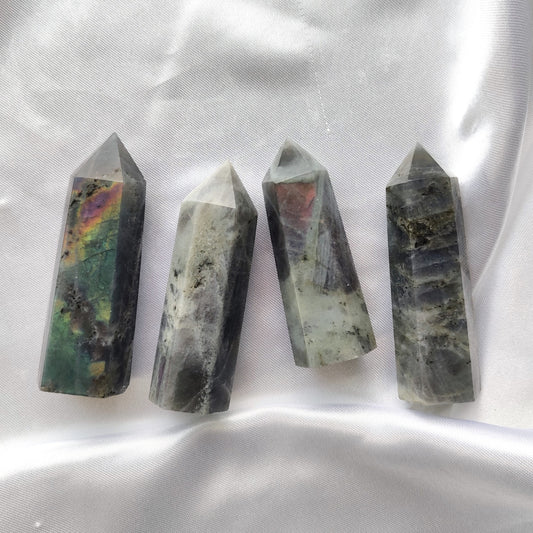
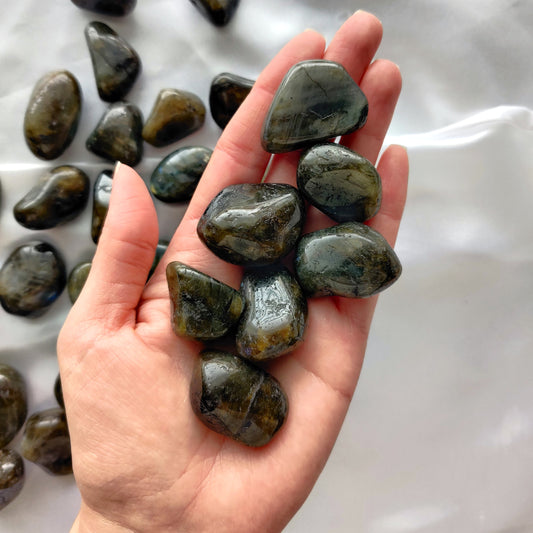
Labradorite is known for the flashes of blue, green and gold that appear as the stone moves in the light. Explore raw pieces, polished stones and jewellery, each with its own pattern and reflective colour.

In crystal traditions, labradorite is associated with intuition, protection and personal transformation. It is often chosen for periods of change, creative work and moments when you want to trust your own direction.

  • Choose a polished stone with a visible flash of colour
  • Place a larger labradorite in your home or workspace
  • Carry a smaller piece in your pocket or bag
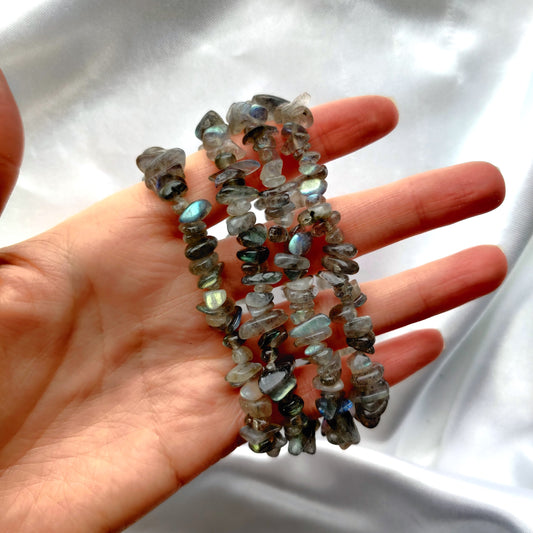
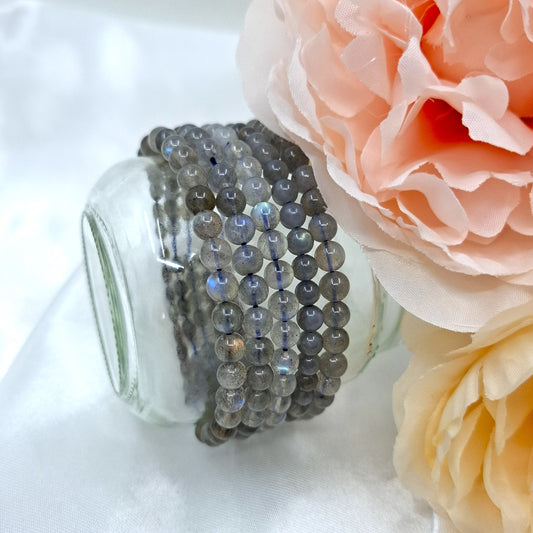
  • Wear labradorite jewellery that changes with the light

Learn more about the meaning of labradorite or explore our crystals for protection.

โœจ Explore the labradorite collection

hehkuvia hiottuja labradoriitteja suojaan ja intuitioon

6 products

How to choose a labradorite crystal

At first glance, labradorite may appear grey, charcoal or greenish. Turn it towards the light, however, and flashes of blue, green, turquoise or gold can appear across its surface. The colour, brightness and size of this flash vary between individual stones.

When choosing labradorite, look at the piece from several angles. A stone may have a strong flash from one direction and a more understated appearance from another. This changing quality is an essential part of labradoriteโ€™s character.

What creates labradoriteโ€™s colourful flash?

The optical effect seen in labradorite is called labradorescence. Light reflects from fine internal layers within the stone, producing colours that seem to move or disappear as the viewing angle changes.

Some pieces display one concentrated area of colour, while others show several smaller flashes. Blue and green are common, but gold and multicoloured reflections can also occur.

Polishing usually makes the effect easier to see. Raw labradorite may look more understated until it is turned towards a suitable light source.

Raw, polished or worn as jewellery?

Raw labradorite is ideal for anyone who enjoys original crystal textures and subtle flashes. It can be placed on a shelf, desk or mineral display and viewed from different directions.

Polished stones have a smooth surface that reveals more of the reflective colour. Smaller pieces are easy to carry, while larger freeforms and decorative shapes make eye-catching additions to the home.

Labradorite jewellery changes constantly as it moves with the wearer. A pendant, bracelet or pair of earrings can look different depending on the lighting and angle, making every piece individual.

When choosing your labradorite, consider:

  • which flash colours appeal to you
  • how the stone looks from different angles
  • whether you prefer a raw or polished surface
  • whether you want to display, carry or wear it
  • the size and shape that suit its intended use

The traditional meaning of labradorite

In crystal traditions, labradorite is associated with intuition, protection and inner strength. It is often chosen during periods of change, when beginning a new stage or when reconsidering personal goals and direction.

Some people use labradorite as a reminder to trust their judgement and remain open to new possibilities. Others choose it simply for its unusual optical effect and changing colours.

These meanings come from crystal traditions and personal practices. Learn more in our guide to the meaning of labradorite.

Labradorite during change and new beginnings

Labradoriteโ€™s changing appearance reflects the themes traditionally associated with the stone. A surface that initially looks dark or understated can reveal vivid colour when viewed from a new angle.

For this reason, labradorite is often connected with transformation, creativity and new perspectives. It may be chosen as a personal symbol during a move, career change, new project or another transition.

A smaller stone can travel with you, while a larger piece can be placed somewhere connected with planning, reflection or creative work.

Labradorite at home and in the workspace

Labradorite works especially well in places where changing light can reveal its colours. Positioning it near a window, lamp or adjustable light source allows you to view the stone from different angles.

Popular places for labradorite include:

  • a desk or creative workspace
  • a living-room shelf
  • a reading or meditation area
  • a bedside table
  • a display with other minerals and crystals

The stone does not need to face one specific direction. Try turning it until the strongest area of colour becomes visible from where you usually sit or walk past it.

Crystals that pair well with labradorite

Labradorite combines beautifully with crystals connected with intuition, calm and protection.

Moonstone complements its changing appearance and is traditionally associated with intuition and new beginnings. Amethyst adds purple colour and associations with calm and clarity. Obsidian creates a darker combination and is commonly connected with grounding and protection.

You can also explore our crystals for intuition, crystals for protection and crystals for stress.

For ready-made combinations, browse the crystal sets.

Who is labradorite suitable for?

Labradorite is a good choice for anyone drawn to crystals that reveal different colours as they move. It is especially interesting for collectors because each piece has its own pattern, viewing angle and intensity of flash.

It may also appeal to people going through a period of change or looking for a personal symbol of intuition and inner strength. No particular experience or routine is required: appearance alone is a perfectly good reason to choose labradorite.

If you are selecting your first stones, read our crystals for beginners guide.

Learn more about labradorite

Explore the labradorite collection and find a raw piece, polished stone or item of jewellery with a flash that appeals to you.

Frequently asked questions about labradorite

What is labradorite?

Labradorite is a plagioclase feldspar known for labradorescence, an optical effect produced by microscopic internal layers.

What does labradorite look like?

Its grey, charcoal or pale base can flash blue, green, gold, orange or several colours at once. The flash appears only from certain angles and varies by piece.

Why is the colour flash visible only at certain angles?

Light must strike the internal feldspar layers at the right angle to interfere and reflect back as colour. A genuine stone can therefore look grey from one direction and vivid from another.

What is labradorite traditionally associated with?

In crystal traditions, Labradorite is commonly associated with intuition, protection and inner strength. These meanings are symbolic, based on traditions and personal beliefs, and are not medical claims. For a deeper introduction, read our guide to labradorite.

How can I use labradorite?

Wear it, carry it or display it where changing light can reveal its blue, green and golden flashes.

How should I care for labradorite?

Clean labradorite with lukewarm water and a soft cloth. Avoid harsh cleaners and protect it from strong impacts. For general cleaning and storage advice, see our crystal care guide.